Mulshi in the Monsoon
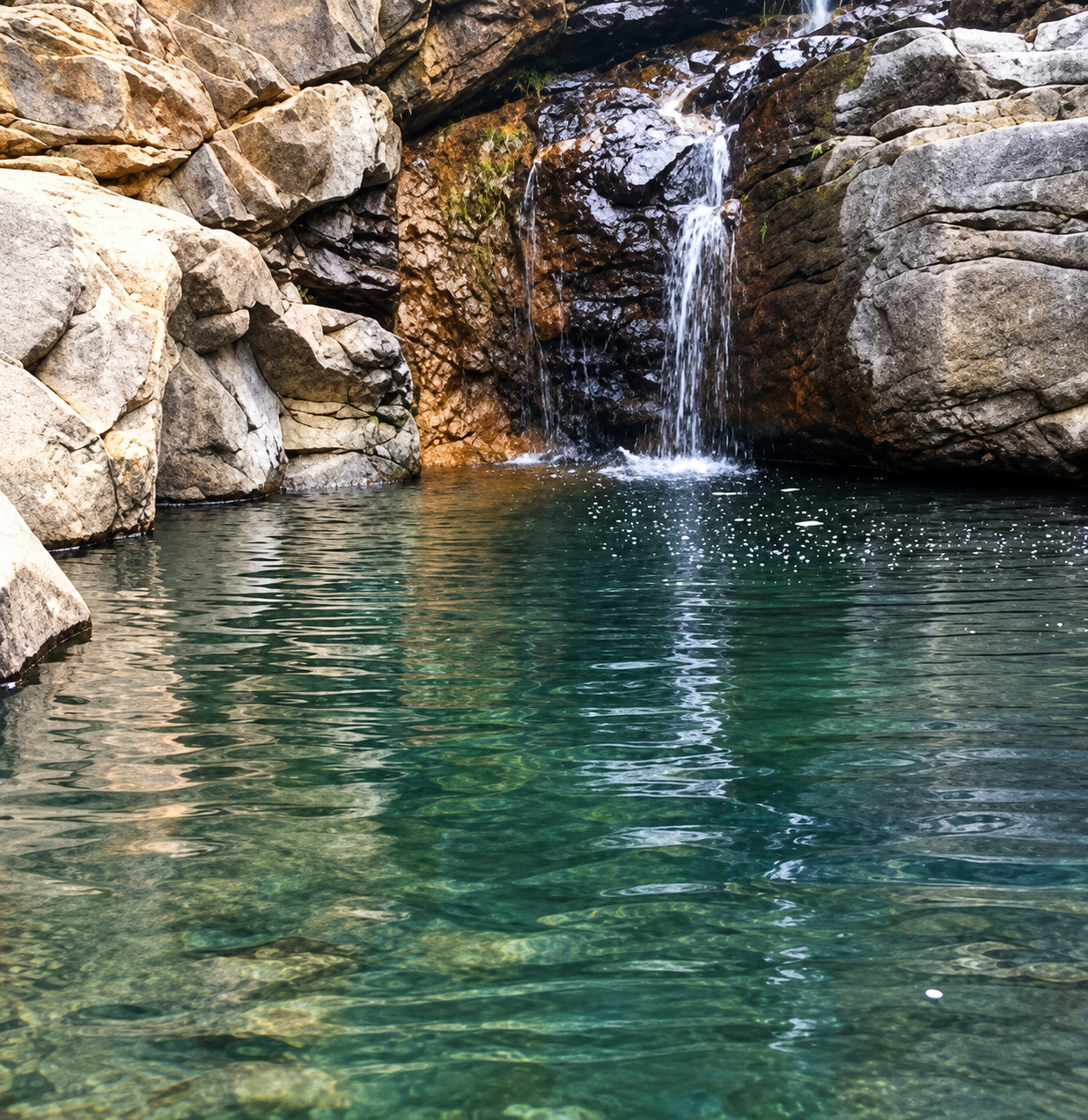
When the monsoon arrives, the hills of Pune district transform into a lush green landscape. The vast waters of Mulshi Dam, mist-covered mountains, seasonal waterfalls, and flowing streams give the region a completely different character.
Places around Tamhini Ghat, Palse and Malyacha Ghat become especially attractive during the rainy season. The combination of heavy rainfall, greenery, mist and waterfalls draws visitors looking for a refreshing escape from city life.
For many travelers, a monsoon visit to Mulshi has become a seasonal tradition. Students often plan bike rides through the hills, while families and working professionals head here for a peaceful weekend surrounded by nature.
Malyacha Ghat — A Monsoon Experience
The journey towards Tamhini Ghat passes through Malyacha Ghat, which acts almost like a gateway to the waterfalls and landscapes beyond.
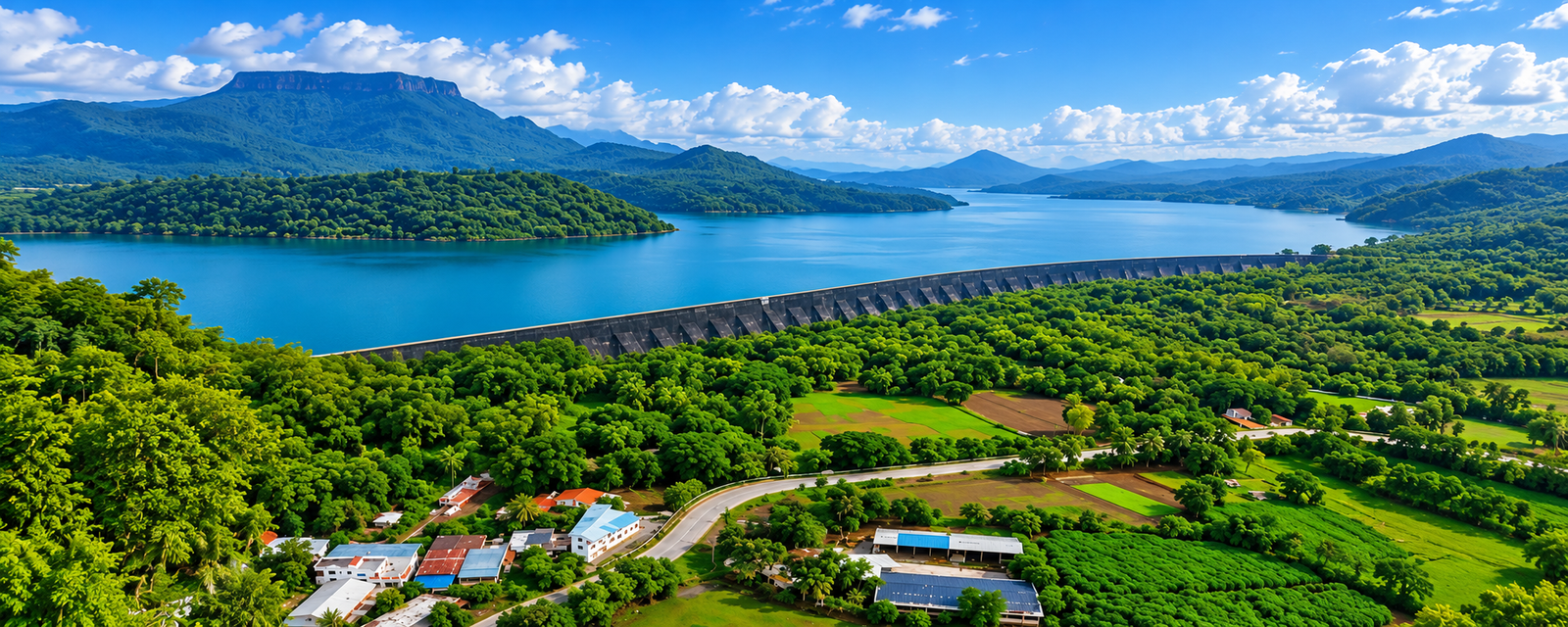
As you travel from Pune towards Tamhini, the enormous wall of Mulshi Dam comes into view near Male village. From here, the road climbs towards Malyacha Ghat, where the monsoon atmosphere begins to take over.
One of the simplest pleasures along this route is the familiar roadside call of “hot corn!” Small local stalls prepare fresh corn over charcoal, serving it with salt, chilli and a squeeze of lemon. For travelers caught in the cool monsoon air, it makes for a memorable stop.
But the food is only part of the experience. From the ghat, visitors can see green fields, farmers working with their cattle, streams winding through the landscape, mist moving across the hills and waterfalls dropping down rocky slopes. When the Mulshi Dam is full, water rushing through its gates adds another dramatic sight to the landscape.
Forts of Mulshi
Mulshi lies within the Sahyadri mountain range, a landscape closely associated with the history of Maharashtra and the rise of Swarajya.
The region has connections with several historical figures and events from the period of Chhatrapati Shivaji Maharaj. Veer Baji Pasalkar from the Mose Valley is remembered for his contribution to Swarajya. Historical traditions also connect the Mutha-Mose Valley with Shivaji Maharaj's movements after the attack on Shaista Khan.
The hills of Mulshi are home to several forts, some well known and others still relatively unexplored by mainstream tourists.
Koraigad, near Ambavane, and Tikona, near Kashig, are among the better-known forts. Others, including Ghangad near Bhambarde-Ekolya, Durgeshwar at Tailbelya, Kailasgad near Vadustya and Vishramgad in the Mose Valley, offer opportunities for visitors interested in trekking, history and lesser-known heritage sites.
Temples and Deities of Mulshi
Religion and village traditions remain an important part of everyday life in Mulshi. Almost every village has its own traditions surrounding deities such as Bhairavnath, Mahadev and Hanuman, and annual village festivals continue to bring communities together.
These celebrations often include traditional wrestling, Tamasha performances and religious processions. For many people who have moved to Pune or Mumbai for work, these festivals are an opportunity to return to their villages, reconnect with their roots and pay respects to their family deities.
Among the region's many places of worship are Vinzai in Tamhini, Waghjai in Bhadas-Walen, Padmavati in Sheri and Bhavanimata in Pirangut. Mhasoba of Kharawade is regarded as an important deity of Mulshi and attracts devotees from different parts of Maharashtra.
The taluka also has several notable Mahadev temples, including those at Palase, Male, Bhalgudi, Paud, Javal and Bhukum. Pirangut is home to a Ganpati temple associated with the Peshwa period, while Vitthalwadi near Paud is traditionally regarded as the Pandharpur of Mulshi.
Every Ekadashi, devotees undertake a walking pilgrimage from Male to Vitthalwadi. Other revered places include the Bapujibuva temples near Ghotawade and Man, the Ganorebaba monastery at Bhukum, and the Satya Sai temple at Hadshi.
Even as the region continues to modernize, these traditions remain an important part of Mulshi's cultural identity.
Dams and Barrages
Mulshi's geography has played a major role in shaping its water resources. The western side of the taluka lies close to the Konkan escarpment and receives substantial rainfall, with some areas recording very high annual precipitation.
The Mulshi Dam, built by the Tata Company near Male at the meeting point of the Mula and Neela rivers, is one of the region's most significant water projects. Its reservoir submerged numerous villages, with some communities being relocated to nearby areas. The project is connected to the Bhira hydroelectric power station in Raigad district and also forms an important part of the Mulshi Regional Water Supply Scheme.
Further south lies Temghar Dam, constructed on the Mutha River primarily to support Pune's water requirements.
The Varasgaon Dam, also important to Pune's water system, lies further south. A substantial portion of its reservoir extends into the Mose Valley of Mulshi. The reservoir system is connected with water supply to several areas, including Daund, Haveli, Indapur and Purandar. The Lavasa development also came up around this landscape.
Smaller irrigation barrages can also be found at Sheri, Belawade, Urwade, Maranewadi, Rihe, Walen and Hadshi.
These water projects have supported agriculture across parts of Mulshi, although several valleys continue to depend heavily on seasonal rainfall. Expanding irrigation infrastructure remains important for farming communities in these areas.
Mulshi and the Freedom Struggle
Mulshi also has an important place in the history of India's freedom movement.
The Mulshi Satyagraha of 1921–24 emerged in opposition to the construction of the Mulshi Dam and the displacement of local farming communities. The movement was initially associated with Pune-based journalist Vinayakrao Bhuskute and later came under the leadership of Pandurang Mahadev Bapat, popularly known as Senapati Bapat.
The movement began with resistance to the project and concerns surrounding compensation and rehabilitation. According to the source material, the struggle later included more radical forms of protest, including the uprooting of railway tracks at Sheri and Paud.
Many individuals from villages across Mulshi participated in the movement. Names remembered in connection with the struggle include Tukaram Genu Halande, Savala Vitthal Halande, Devaram Pandurang Deshmukh, Madhav Purushottam Potnis, Vishwanath Narhar Barve, Pandharinath Ramchandra Ganavare, Bhimram Tukaram Sable and Chintaman Narayan Deshpande.
The movement also involved people whose names were never recorded. Memorials at Paud and Male preserve the memory of those associated with the struggle.
Social Work and Community Initiatives
Mulshi has undergone considerable social change over the years. Alongside tourism and economic development, several organizations and individuals have contributed to education, social welfare and heritage conservation.
Organizations working in the region have supported children with disabilities, tribal communities and families in need. Initiatives include educational facilities, hostels, mass marriage programs and community development activities.
The Anna Bharekar Mitra Parivar has organized mass marriage ceremonies in Kharawade, while similar initiatives have been started in Ghotawade. Local youth organizations have also taken up the conservation of forts through cleaning and exploration programs.
Groups such as Sahyadri Garjana and Shivaji Trails have been involved in fort-related conservation activities, while organizations and individuals have contributed to social and educational initiatives around Bhukum and other parts of Mulshi.
Education in Mulshi
Education in Mulshi has expanded considerably over the years. Once considered educationally underserved despite its proximity to Pune, the taluka now has schools, colleges, hostels and vocational institutions across several areas.
The Sarvangin Gramin Vikas organization has established free hostels for tribal and other children in Male and Shileshwar and a school at Asde. Other institutions have established schools in Tamhini, Male, Khechare, Vandre, Ambavane, Shere, Pode, Ghotawade, Kolwan, Pirangut and Mutha.
Higher-education opportunities have also developed, including junior and senior colleges, ITI programs, MBA education and D.Ed facilities in different parts of the taluka.
The educational landscape has continued to diversify with the arrival of institutions such as Mahindra United World College, Riverdale and other schools offering English-medium and international-oriented education.
Schools and educational organizations in areas including Pirangut, Paud, Lavale, Sus and Bhugaon have further expanded educational opportunities for local communities.
Agriculture — The Heart of Rural Mulshi
Agriculture remains an important part of life in Mulshi, although farming practices vary significantly across the taluka because of differences in rainfall, terrain and water availability.
The wetter western areas—including the Mulshi Dam region, Mutha, Male, Mose, Rihe and Kolwan valleys—are traditionally associated with rice cultivation. Varieties such as Indrayani and Ambemohar rice are particularly associated with the region.
In the hillier areas, tribal and shepherd communities cultivate ragi and vari. Farmers in Mutha, Male, Rihe and Kolwan have also diversified into crops such as sugarcane alongside rice.
In areas where perennial water is limited, farming remains heavily dependent on the monsoon. Mango trees planted along field boundaries provide an additional source of agricultural value.
Around Pirangut, Ghotawade and Lavale, vegetable farming is prominent, with Lavale particularly known for large-scale vegetable cultivation. Farmers in Nande have also adopted lawn cultivation.
Modern agricultural techniques have gradually found their way into the region as well. Polyhouses and modern floriculture initiatives have opened new possibilities for farmers, including efforts associated with Dnyaneshwar Bodke.
The Mula–Mutha River
The Mula–Mutha forms an important river system in Pune district. The combined waters of the Mula and Mutha eventually flow eastward and join the Bhima River at Ranjangaon Sandas.
The river system has played an important role in the geography, agriculture, settlements and water supply of the region.
Mula River
The Mula rises in the Sahyadri region south of Bor Ghat. Several small streams come together near Lavale, creating the river that flows through the Paud Valley.
From Lavale, the river follows a winding course before continuing towards Pune. The Pavana River is one of its major tributaries.
Near its origin in Mulshi, the Tata Power project at the meeting point of the Mula and Neela rivers created the Mulshi reservoir. Water from the reservoir is carried through a tunnel to the Bhira hydroelectric power station in Raigad district.
The construction of the Mulshi Dam also became the centre of the Mulshi Satyagraha, which took place between 1921 and 1924 under the leadership of Senapati Bapat.
Mutha River
The Mutha originates in the western part of Pune district within the Sahyadris, at an elevation of roughly 912 metres above sea level. Its headwaters include the Ambi and Mose streams.
The river's early course passes through a narrow mountain valley known as the Mutha Valley. Much of the original river course is now covered by reservoir waters.
The Panshet Dam is located on one of its source streams, while the Khadakwasla Dam plays an important role in supplying water to Pune city and agricultural areas through its canal network.
After passing through the Pune region and alongside areas such as Parvati, the Mutha eventually meets the Mula in the city.
The Journey Towards the Bhima
After the Mula and Mutha join, the combined river continues eastward through the Pune region. It bends through the landscape around Manjari Budruk and Theur before eventually meeting the Bhima River at Ranjangaon Sandas, near the eastern side of Daund taluka.
Along its banks are places of historical, religious and economic importance, making the river much more than a geographical feature—it is part of the story of Pune and the wider Mulshi region.